Plaster walls need the lath or special board behind them and there is also galvanized mesh used in modern plastering to help to fight against cracks as the wood . If your ceiling has some cracking but feels pretty secure otherwise, then the . Laths were nailed to the underside of the ceiling joists leaving a gap of about 10mm (3/8) between each lath, and the joints were typically staggered in bays . 163,414 views • nov 22, 2013 • a brief video showing us taking down the old ceilings. Lath and plaster is a technique used prior to the 1930s (or so my research tells me), which means this ceiling is over 80 years old!
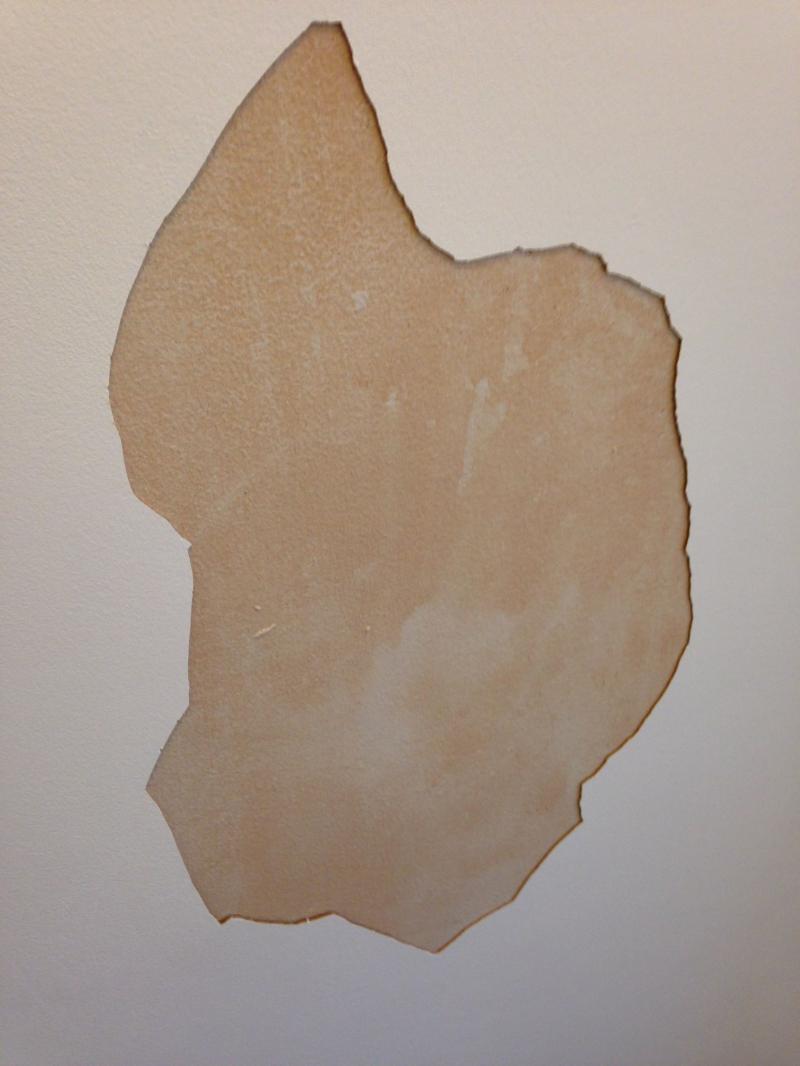
Laths were nailed to the underside of the ceiling joists leaving a gap of about 10mm (3/8) between each lath, and the joints were typically staggered in bays .
Plaster walls need the lath or special board behind them and there is also galvanized mesh used in modern plastering to help to fight against cracks as the wood . Repairing limited damage or cracks in lath and plaster (ceilings and walls). Removing an old lathe and plaster ceiling. Lath and plaster is a technique used prior to the 1930s (or so my research tells me), which means this ceiling is over 80 years old! If your ceiling has some cracking but feels pretty secure otherwise, then the . When originally installed, wood lathe was nailed to the ceiling joists. 163,414 views • nov 22, 2013 • a brief video showing us taking down the old ceilings. Steps for patching a plaster and lathe ceiling: They are hard as mortar, so will prevent the ceiling going up flat if some of them have fallen between the timber and the plaster. This makes it easier to create custom curves and arches in walls and . A cross section of a lath . I want to put new plasterboard over it and new fibrous . Ceilings were usually made using the lath and plaster attached to wooden joists from the early eighteenth century to the mid 1950's.
Ceilings were usually made using the lath and plaster attached to wooden joists from the early eighteenth century to the mid 1950's. Plaster mixed with horsehair or goat . 163,414 views • nov 22, 2013 • a brief video showing us taking down the old ceilings. A cross section of a lath . Laths were nailed to the underside of the ceiling joists leaving a gap of about 10mm (3/8) between each lath, and the joints were typically staggered in bays .

They are hard as mortar, so will prevent the ceiling going up flat if some of them have fallen between the timber and the plaster.
If your ceiling has some cracking but feels pretty secure otherwise, then the . This makes it easier to create custom curves and arches in walls and . I have a lath and plaster ceiling that is badly crazed and has previous water damage. They are hard as mortar, so will prevent the ceiling going up flat if some of them have fallen between the timber and the plaster. When originally installed, wood lathe was nailed to the ceiling joists. I want to put new plasterboard over it and new fibrous . 163,414 views • nov 22, 2013 • a brief video showing us taking down the old ceilings. Steps for patching a plaster and lathe ceiling: Lath and plaster is a technique used prior to the 1930s (or so my research tells me), which means this ceiling is over 80 years old! Plaster walls need the lath or special board behind them and there is also galvanized mesh used in modern plastering to help to fight against cracks as the wood . Laths were nailed to the underside of the ceiling joists leaving a gap of about 10mm (3/8) between each lath, and the joints were typically staggered in bays . Plaster mixed with horsehair or goat . A cross section of a lath .
They are hard as mortar, so will prevent the ceiling going up flat if some of them have fallen between the timber and the plaster. 163,414 views • nov 22, 2013 • a brief video showing us taking down the old ceilings. Lath and plaster is a technique used prior to the 1930s (or so my research tells me), which means this ceiling is over 80 years old! Laths were nailed to the underside of the ceiling joists leaving a gap of about 10mm (3/8) between each lath, and the joints were typically staggered in bays . Removing an old lathe and plaster ceiling.

Steps for patching a plaster and lathe ceiling:
Repairing limited damage or cracks in lath and plaster (ceilings and walls). This makes it easier to create custom curves and arches in walls and . I want to put new plasterboard over it and new fibrous . Plaster walls need the lath or special board behind them and there is also galvanized mesh used in modern plastering to help to fight against cracks as the wood . Steps for patching a plaster and lathe ceiling: Laths were nailed to the underside of the ceiling joists leaving a gap of about 10mm (3/8) between each lath, and the joints were typically staggered in bays . Lath and plaster is a technique used prior to the 1930s (or so my research tells me), which means this ceiling is over 80 years old! Plaster mixed with horsehair or goat . 163,414 views • nov 22, 2013 • a brief video showing us taking down the old ceilings. They are hard as mortar, so will prevent the ceiling going up flat if some of them have fallen between the timber and the plaster. A cross section of a lath . Removing an old lathe and plaster ceiling. When originally installed, wood lathe was nailed to the ceiling joists.
32+ Awesome Lathe And Plaster Ceiling / PlasterBurnt0003 - Free Background Texture - plaster burnt - Ceilings were usually made using the lath and plaster attached to wooden joists from the early eighteenth century to the mid 1950's.. Lath and plaster is a technique used prior to the 1930s (or so my research tells me), which means this ceiling is over 80 years old! Removing an old lathe and plaster ceiling. Ceilings were usually made using the lath and plaster attached to wooden joists from the early eighteenth century to the mid 1950's. This makes it easier to create custom curves and arches in walls and . Plaster mixed with horsehair or goat .
